The useful question is not "does this brand make filters?" It is: is this exact model certified for lead reduction? For most ordinary point-of-use filters, that means NSF/ANSI 53 for lead. For reverse-osmosis systems, it means NSF/ANSI 58. EPA's consumer tool also emphasizes filters evaluated by an accredited third-party certification body for lead reduction to 5 parts per billion or less and particulate Class I capability against NSF/ANSI Standards 53 and 42.
A generic "NSF certified" badge is not enough. NSF/ANSI 42 is often about taste, odor, and chlorine. It can be useful, but it is not the same as a lead-reduction claim.
Best filter type by situation
| Type | Best fit | Certification to verify | Tradeoff | Our take |
|---|---|---|---|---|
| Pitcher | Renters, lowest cost, no install | NSF/ANSI 53 for lead; check the model data sheet | Slow, limited capacity, cartridge schedule matters | Good temporary bridge if the exact pitcher is certified for lead. |
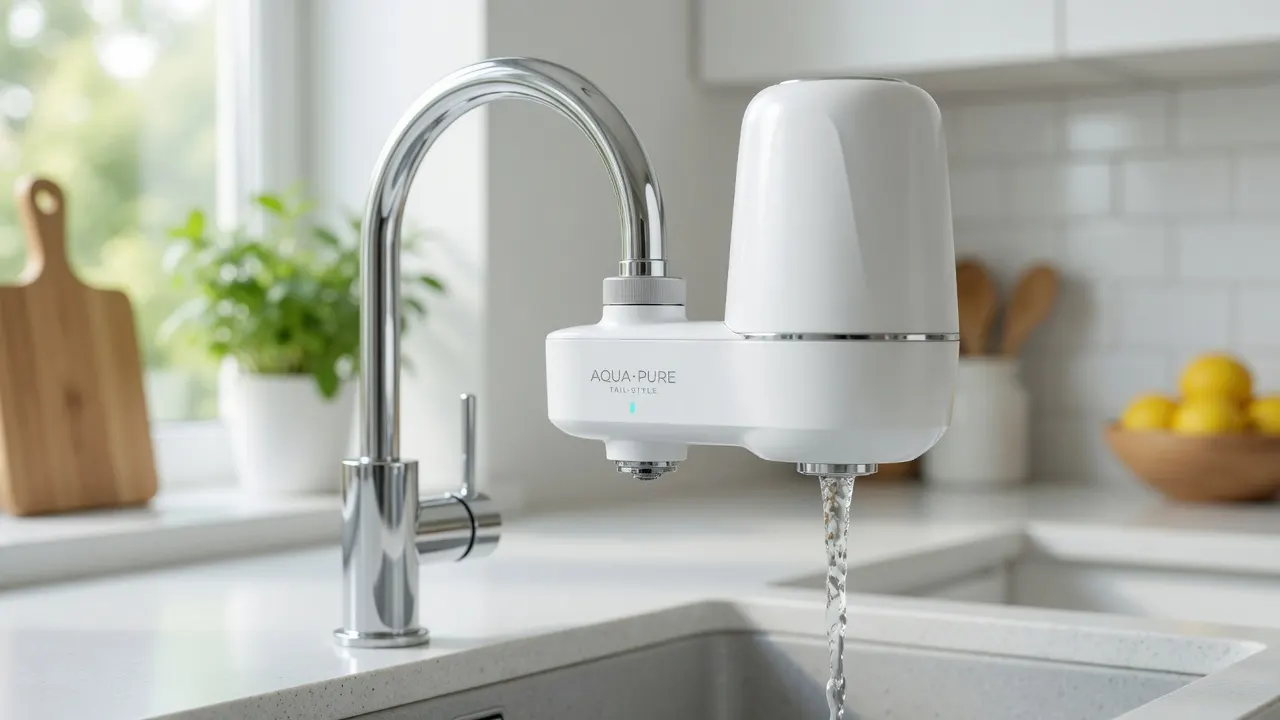
| Faucet mount | Standard faucets, cheap daily drinking/cooking water | NSF/ANSI 53 for lead | May not fit pull-down or unusual sprayer faucets | Often the best budget choice when it fits the tap. |
| Countertop RO | Renters who want stronger protection without plumbing work | NSF/ANSI 58 for reverse osmosis | Higher cost, slower output, wastewater or tank limits | Strong option for drinking water when installation is not allowed. |
| Under-sink filter or RO | Owners, long-term kitchen use | NSF/ANSI 53 for lead, or NSF/ANSI 58 for RO | Install work, replacement cartridges, possible flow limits | Best permanent point-of-use setup while replacement is pending. |
| Whole-house claim | People worried about every tap | Do not assume a lead claim without a listing | NSF states there are currently no whole-house systems certified to reduce lead | Use certified point-of-use protection for drinking/cooking and plan line replacement. |
What to verify before buying
- Exact model, not just brand. Certification is model-level. A cheaper variant with the same brand name may only be certified for taste and odor.
- The contaminant claim says lead. Look for lead reduction under NSF/ANSI 53, or reverse osmosis under NSF/ANSI 58.
- Capacity and replacement schedule. A certified filter is only useful when cartridges are replaced on time. NSF also reminds users to follow manufacturer maintenance instructions.
- Fit and flow. Faucet mounts need compatible faucets; under-sink systems need space and plumbing; RO systems may be slower and may waste water.
- What it does not solve. A filter reduces exposure at the treated tap. It does not prove your water is lead-free and it does not replace a lead service line.
Which path should you choose?
- Renting and on a tight budget: choose a certified pitcher or faucet-mount model, then ask the landlord and utility to confirm the service line.
- Renting but highly concerned: consider countertop reverse osmosis if the exact unit is certified and the cartridge cost is realistic.
- Owning the home: use an under-sink lead filter or RO at the kitchen tap, then work through the utility's replacement rules and cost-share options.
- Worried about the whole home: do not treat "whole house" as a shortcut. Protect drinking and cooking water now, then confirm and replace the service line.
Filter options to verify before buying
These are filter categories, not paid product rankings. Before buying any exact model, verify the lead-reduction claim in an accredited certification database and check cartridge cost, fit, and maintenance.
Option 1 · Pitcher
Certified lead-reduction pitcher
Best for renters and low-cost temporary protection when the exact pitcher model carries a lead claim.
- Verify NSF/ANSI 53 lead claim.
- Check cartridge life and replacement cost.
- Do not rely on brand name alone.
Option 2 · Faucet
Certified faucet-mount filter
Often the strongest budget fit if the faucet is compatible and the model is certified for lead.
- Verify NSF/ANSI 53 lead claim.
- Check whether it fits pull-down or sprayer faucets.
- Confirm replacement cartridge availability.
Option 3 · Countertop RO
Countertop reverse osmosis
Useful for renters who want stronger point-of-use treatment without under-sink installation.
- Verify NSF/ANSI 58 certification.
- Check tank size, output speed, and wastewater handling.
- Confirm the unit fits daily drinking/cooking volume.
Option 4 · Under-sink
Under-sink filter or RO
Best for owners who want a longer-term kitchen-tap setup while replacement planning happens.
- Verify NSF/ANSI 53 lead or NSF/ANSI 58 RO.
- Check installation space and cartridge access.
- Budget for cartridges, not just the first purchase.
Why we are not publishing star ratings yet
Star ratings would imply first-hand product testing or a scored model comparison. We have not done that. For now, the honest review is a certification-based decision framework: what label to verify, which filter type fits your situation, and which claims to distrust.
The 60-second check uses the same framework. It matches your tenure, budget, and concern level to a certification type, then sends you to verification sources rather than pretending every product page is trustworthy.
Disclosure: we may earn a commission from filter links on this site, at no cost to you. Certifications come from accredited third-party certifiers, not from us. No brand has paid for placement.