Test first
Know the problem before you buy
City water, a private well, lead plumbing, and a metals worry each need a different test. Start with your annual report and a service-line check.
Choose my water test →EPA Lead & Copper Rule
A clear, sourced guide to the EPA's 2027 lead-pipe rule — a 60-second risk check, what replacement costs and who pays, and the filters that actually remove lead.
Sources EPA · EPA lead health

estimated lead service lines still serve U.S. properties
Source · EPA lead service lines pageEPA's deadline for systems to comply with the LCRI
Source · EPA LCRIamount of lead in drinking water the EPA considers safe
Source · EPAInteractive · The 60-second check
Answer a few questions — your result updates live with a clear risk level, what to do next, and certified filters matched to your home.
Test first
City water, a private well, lead plumbing, and a metals worry each need a different test. Start with your annual report and a service-line check.
Choose my water test →Certified filters
Most pitchers are certified for taste, not lead. Look for NSF/ANSI 53 (filters) or NSF/ANSI 58 (reverse osmosis) on the exact model.
Best lead filters 2026 →Who pays
Service lines have a public and a private side. Many utilities offer cost-share or full replacement — and a non-approved contractor can disqualify you.
Who pays to replace it →More on filters NSF 53 vs 58 Does a Brita remove lead or PFAS? Best PFAS filters

Regulations
The 2027 EPA rule, service-line inventories, annual water reports, and filter certification labels — source-linked and homeowner-first.
Water Watch
A small watch desk for laws, city lookup pages, annual reports, and practical household actions — not a thin news feed.
Water testing
Use the right test for the decision: screening kit, certified lab, annual water report, lead-specific test, or private-well panel.
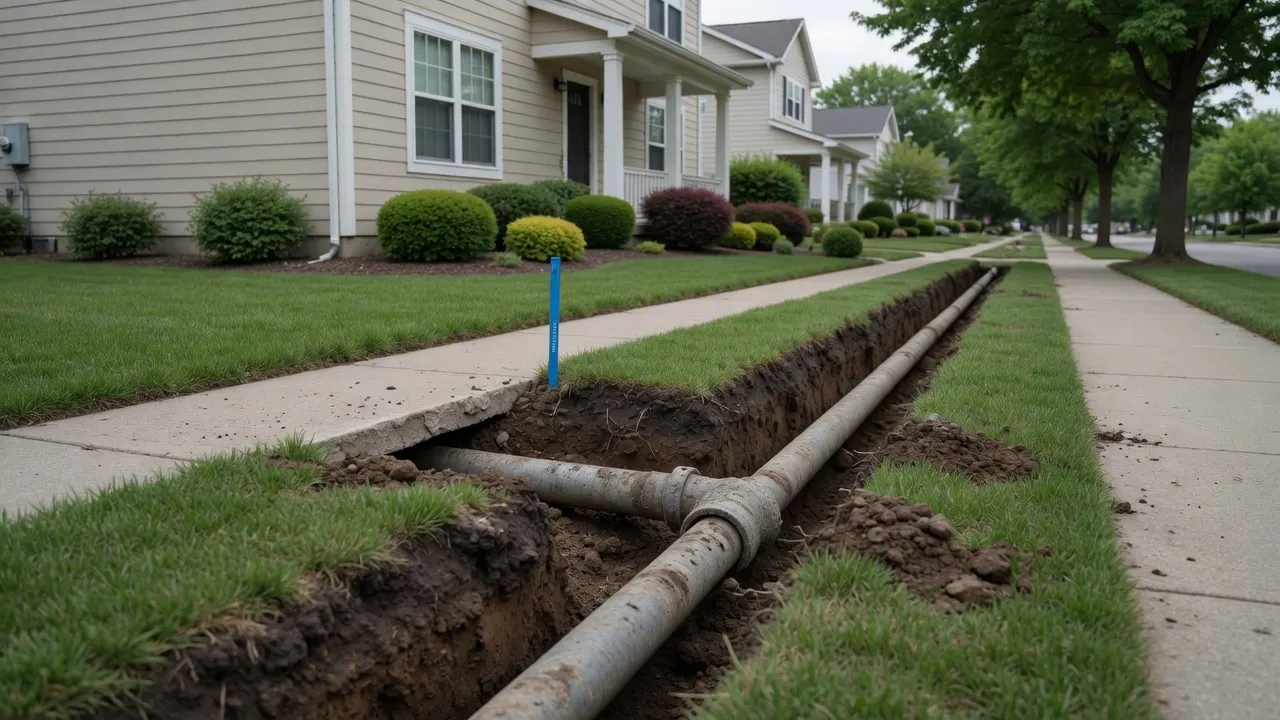
Costs
Private-side payment rules vary by city and utility. Where to find cost-share or full-replacement help before you spend a dollar.
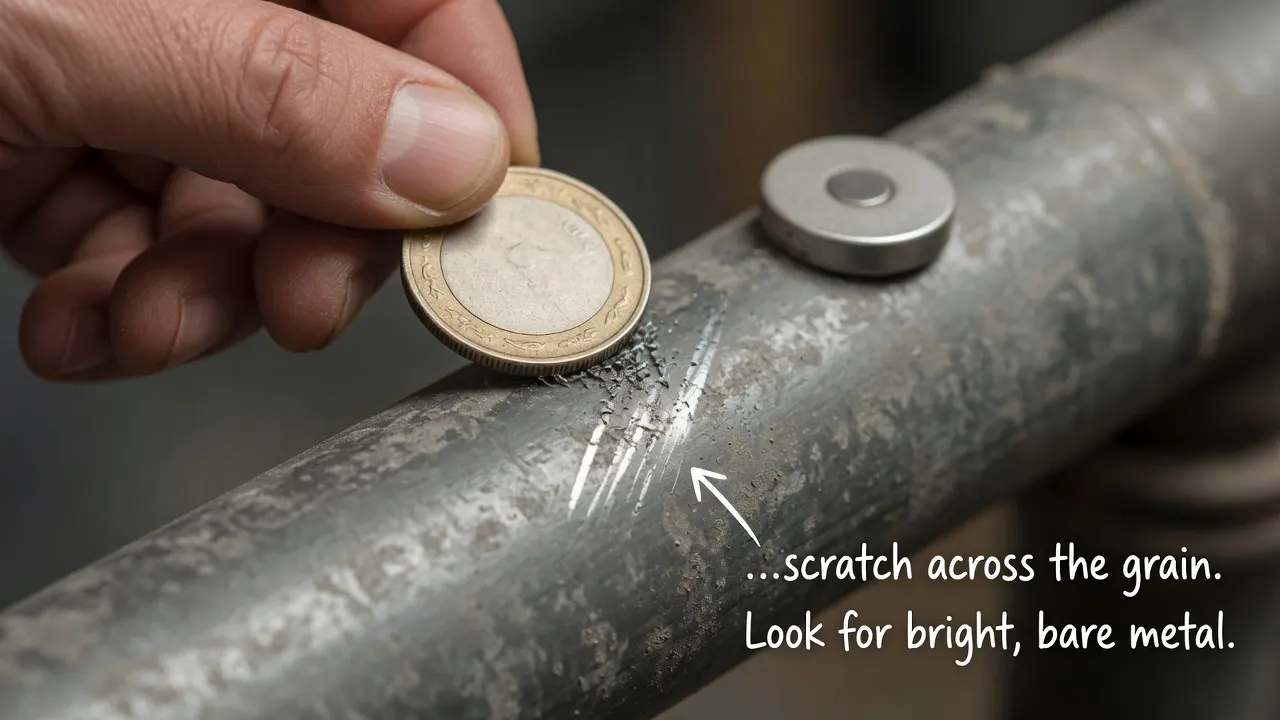
How-to
A coin, a magnet, and a flashlight tell you more about your incoming pipe than most people realize.
Reviews
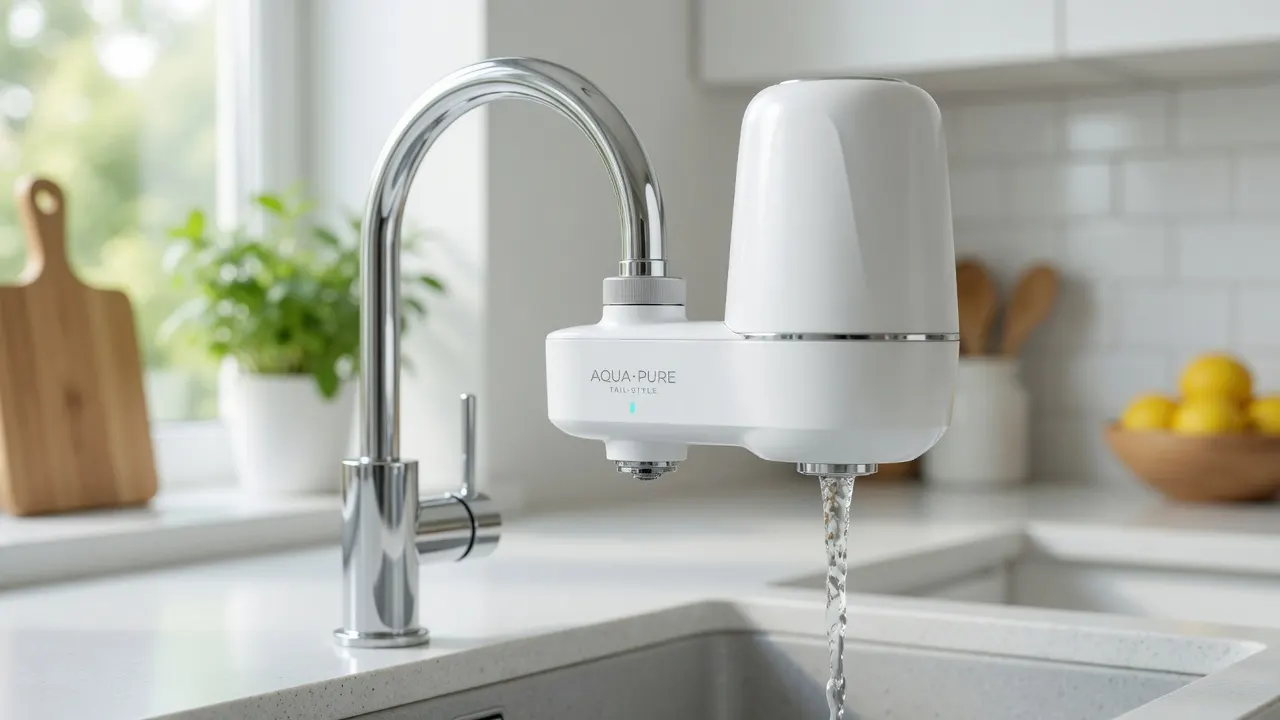
Generic filter claims are not enough. Look for model-level certification for lead reduction — usually NSF/ANSI 53, or NSF/ANSI 58 for reverse osmosis.
Explainer
Every lead line in America has to come out. The clock started quietly in October 2024.
Guide
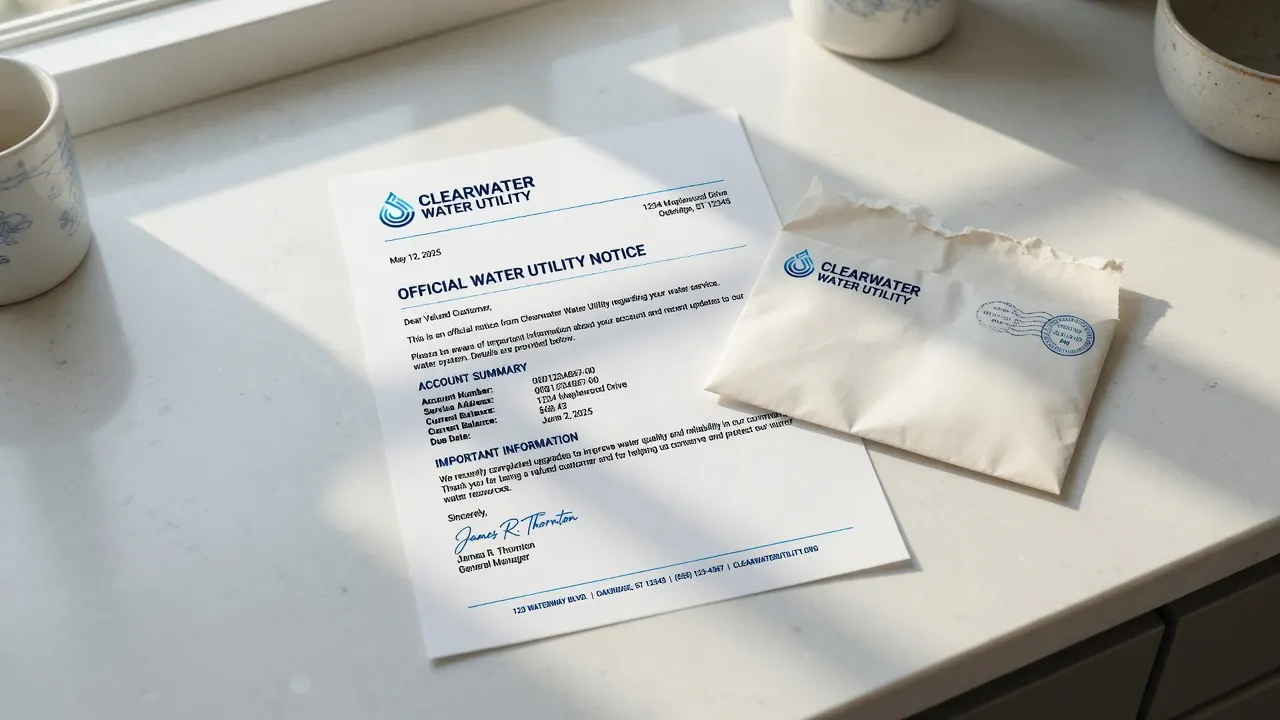
Utilities have mailed millions of letters since 2024. Here is how to read the one in your mailbox.

Map
Chicago, Detroit, Newark and more — where the largest replacement programs in the country stand.
Lead testing
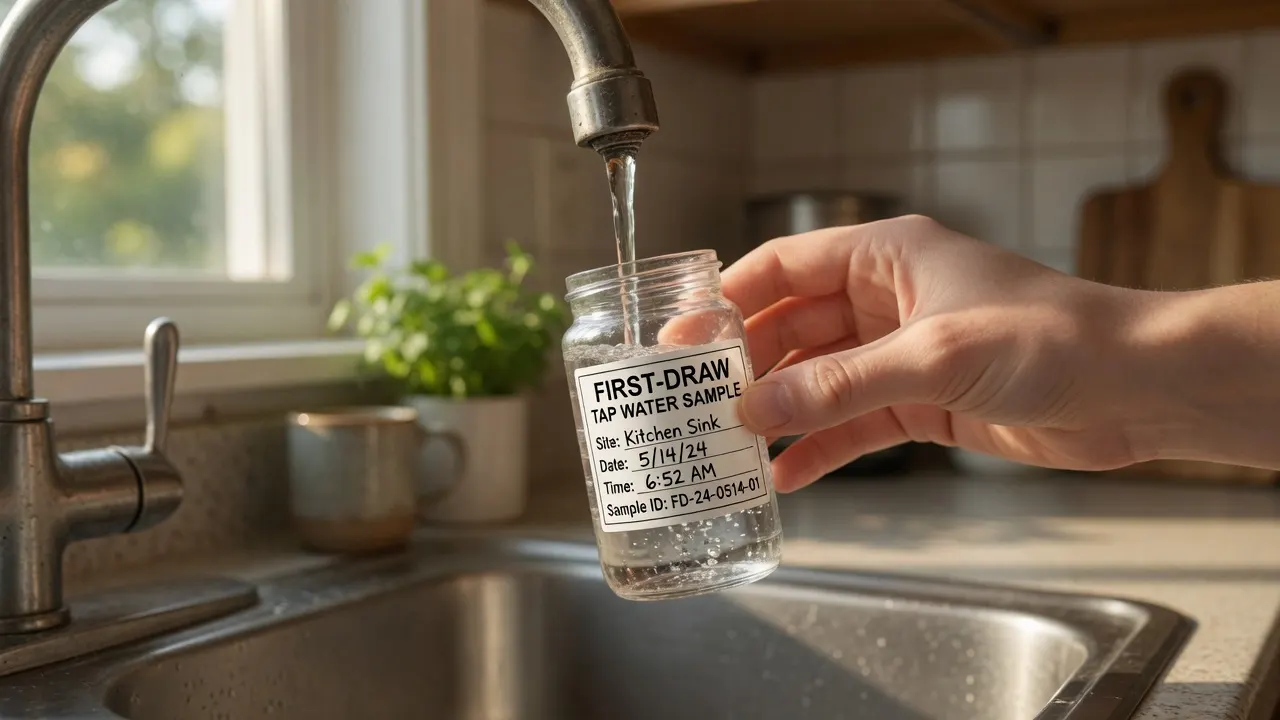
Lead is invisible and tasteless. The real path is service-line clues, certified sampling, and a filter while you wait.
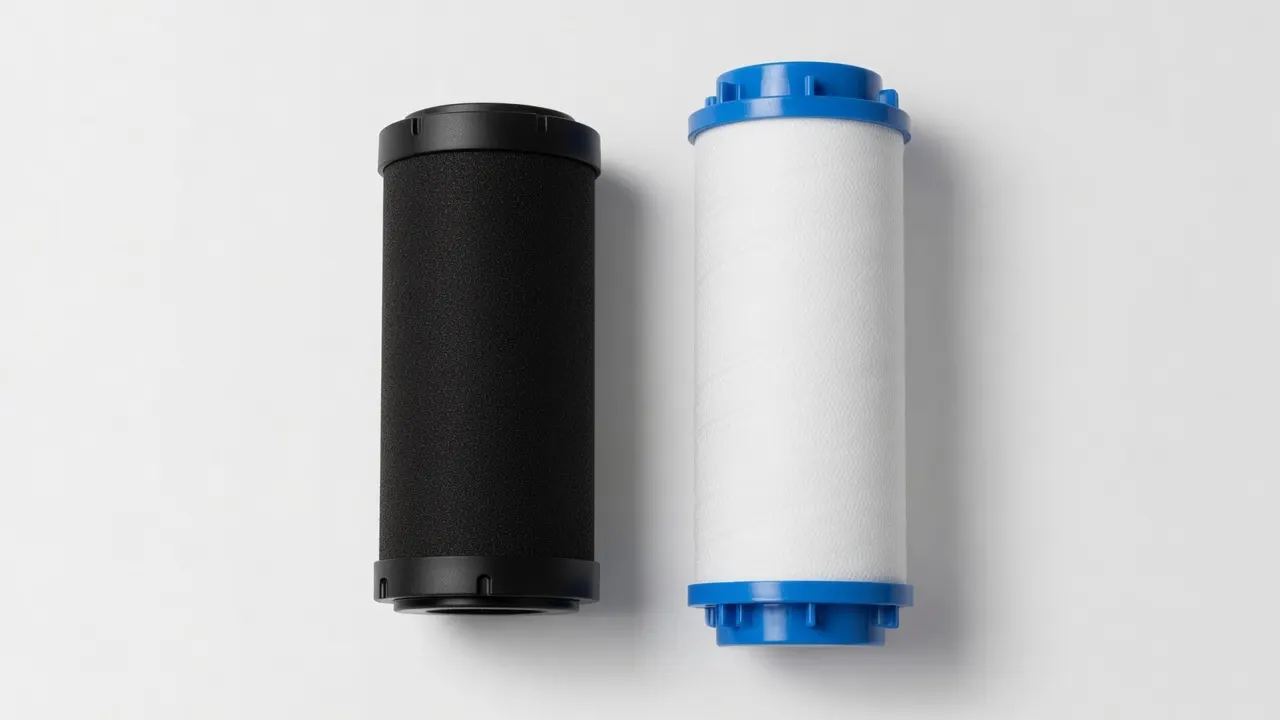
Filter labels
Most pitchers are certified for taste, not lead. How to verify the exact model before you buy.

Contaminants
Lead, copper, arsenic and more need different context. Start with your source and local risk, not a scary search.
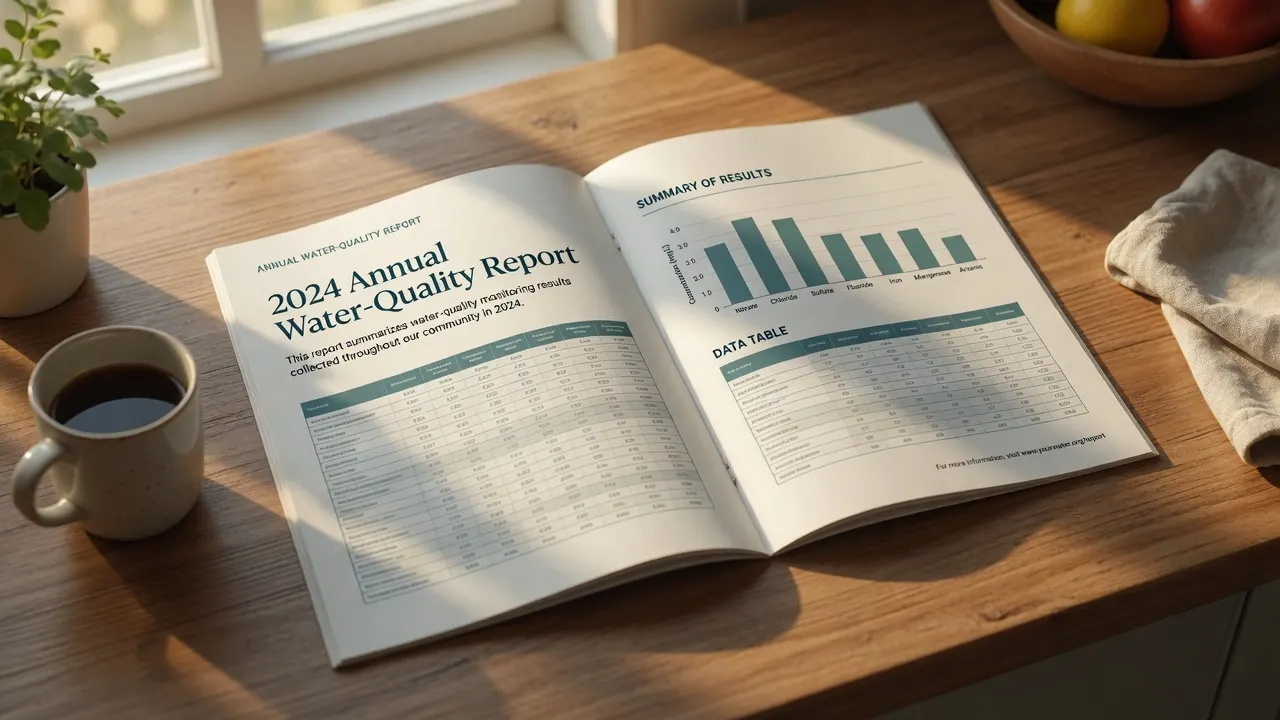
Water report
The yearly CCR describes the system, not your tap. What to look for — and why a clean report is not proof.

Inventory
What lead, galvanized, unknown, and non-lead mean in the lookup — and why "unknown" is not a clean bill.
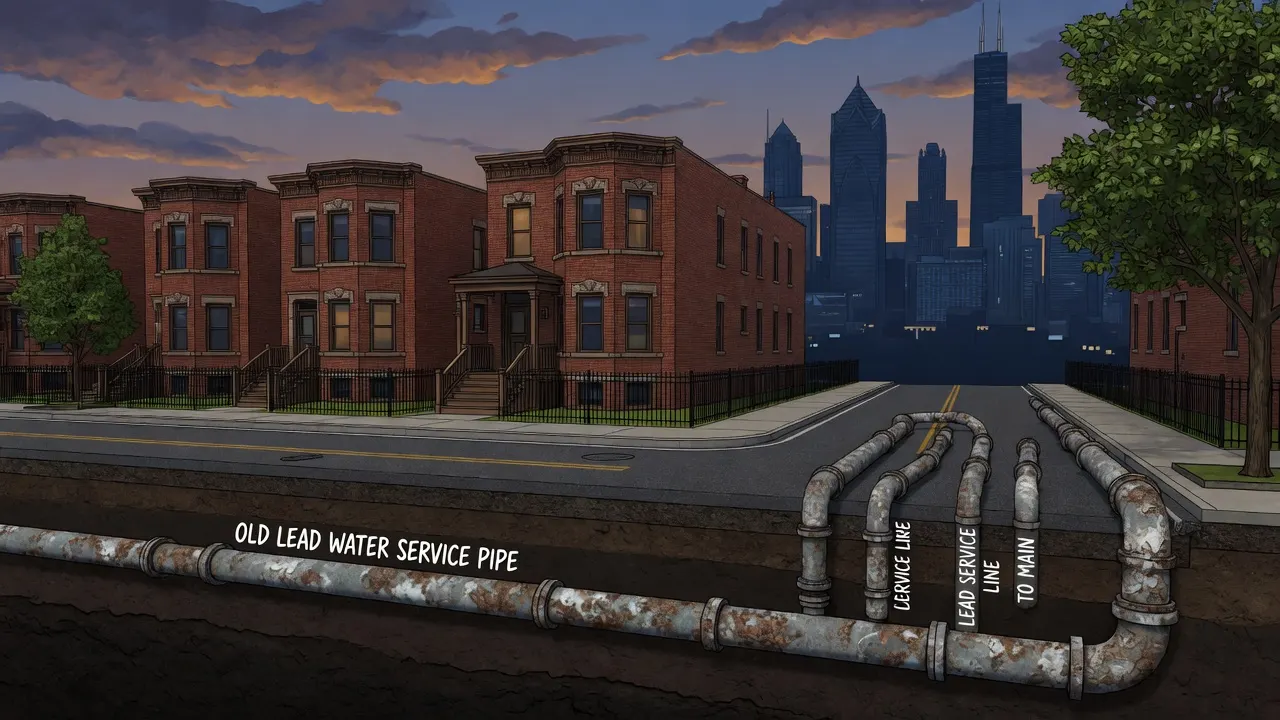
City
Chicago has the country's largest lead-line backlog. Use the official Lead Safe Chicago lookup before you guess.

PFAS rule
EPA set the first national PFAS limits in 2024 — then proposed in 2026 to push the deadline to 2031 and roll part of it back. Where it stands, and what to do regardless.
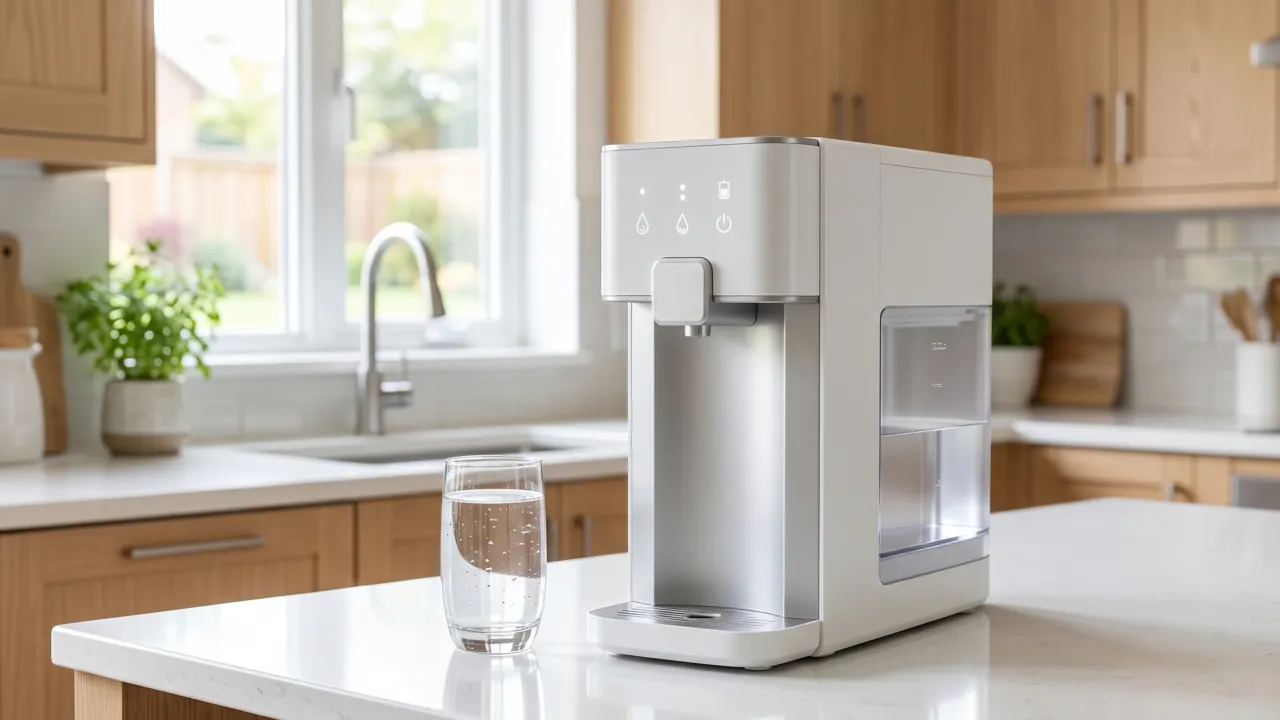
PFAS filters
Most "PFAS" filters are not certified for it. The verified picks by type that carry a model-level NSF/ANSI 53 or 58 PFOA/PFOS claim — and what does not count.
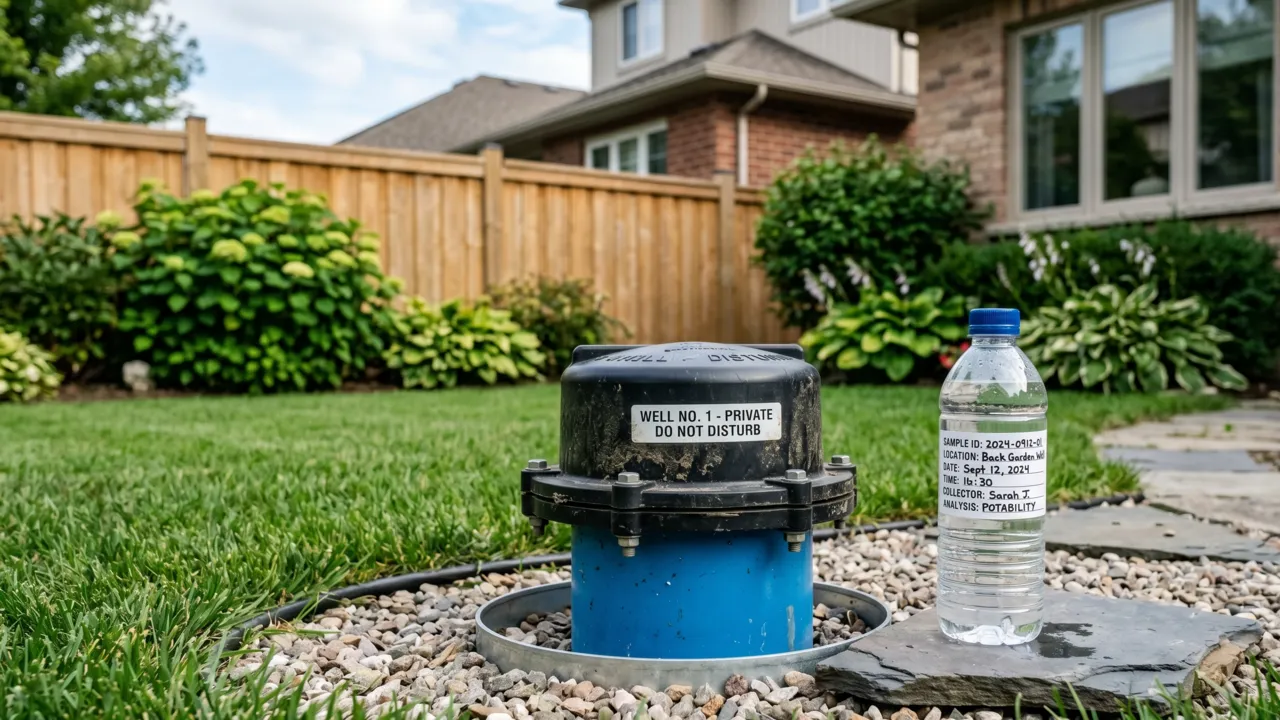
Private wells
Wells sit outside the federal rules — testing is on you. The EPA/CDC schedule: annual basics, a periodic metals panel, and when to test right away.
The 2027 rule
The EPA's Lead and Copper Rule Improvements (LCRI) require water systems to identify service-line materials, notify affected customers, and replace lead and certain galvanized lines under their control. Read the full 2027 rule guide →
Water systems had to complete initial service-line inventories and notify people served by lead, galvanized, or unknown lines. Yours may be one of those notices.
The lower 10 ppb lead action level, updated inventories, public replacement planning, and stronger communication rules become the operative standard.
Most systems must replace lead and galvanized-requiring-replacement lines under their control within ten years; a limited number get longer schedules.
FAQ
Three quick signals: a notice from your water utility (these began under the 2024 inventory rules), the age of your home (lead pipes are more likely in homes built before 1986), and a scratch + magnet test on your incoming pipe — soft, dull gray, shiny when scratched and non-magnetic points to lead. The risk check above combines these; your utility inventory, an inspection, or a licensed plumber confirms the line material. A certified water test confirms whether lead is present in your drinking water.
Ownership and payment rules vary by city, state, and utility. Many systems distinguish the public side from the private side, and some programs cover the full line while others require cost-share. Ask your utility about assistance and approved contractors before paying out of pocket.
Look for model-level certification for lead reduction: NSF/ANSI 53 for lead-reduction filters, or NSF/ANSI 58 for reverse-osmosis systems. Many generic pitchers and faucet filters are certified only for taste/odor, not lead. Certified lead filtration is usually point-of-use, so protect the taps used for drinking and cooking while you confirm the line and plan replacement.
The EPA Lead and Copper Rule Improvements require water systems to comply in late 2027, lower the lead action level to 10 ppb, and require most systems to replace lead and galvanized-requiring-replacement service lines under their control within ten years. Systems must maintain public inventories and notify people served by lead, galvanized, or unknown lines.
Lead can be harmful even when water looks and tastes normal. EPA and CDC guidance both treat lead in drinking water as a serious exposure risk, especially for children and pregnant people, so lead, galvanized-requiring-replacement, or unknown service-line status is a reason to verify your pipe, test drinking water, and use certified point-of-use filtration while replacement is planned.